“Data is the new oil” has become a familiar phrase, usually meant to say that data is a valuable raw material that powers the modern economy. The comparison is useful in some ways and misleading in others. In a diagnostic laboratory, where large volumes of data are produced every day, it is worth being precise about both.
Where the metaphor holds
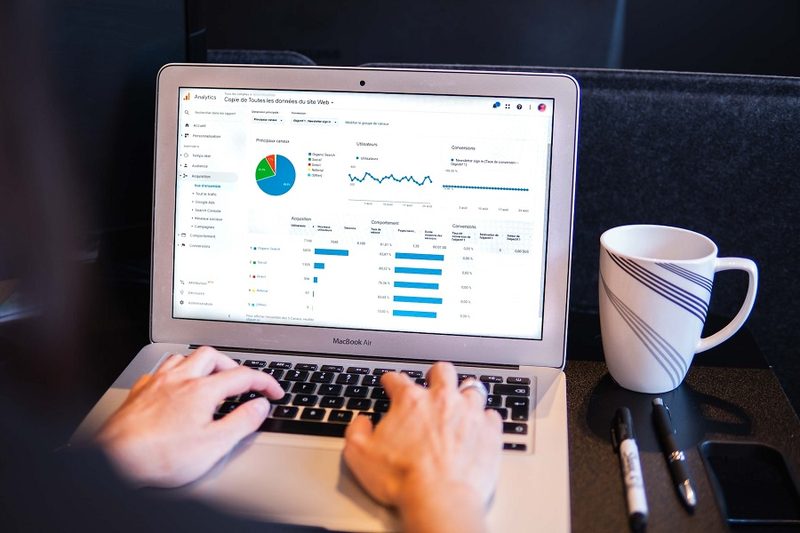
Crude oil has little value until it is refined. Data is similar: raw instrument output, result tables and quality control records become useful only after they are checked, structured, linked and analysed. Laboratories that do this well can see where demand is growing, which analysers are under-used, how long each stage of the pathway takes and where errors cluster. Research benefits in the same way, because large, well-characterised datasets make it possible to detect patterns that smaller studies cannot.
Where it breaks down
- Data is not used up. It can be reused many times, but its value depends on context, such as how and when it was collected, which method was used and what it was for.
- Quantity is not value. A large dataset with inconsistent coding, missing metadata or unknown pre-analytical conditions can mislead rather than inform.
- Health data carries obligations. Results relate to identifiable people. Their use is governed by UK data protection law, confidentiality duties and, for research, ethical approval, which have no equivalent for a barrel of oil.
- Its worth is uneven and often local. A dataset can be valuable to the service that understands it and almost useless to anyone else.
What this means for laboratory data
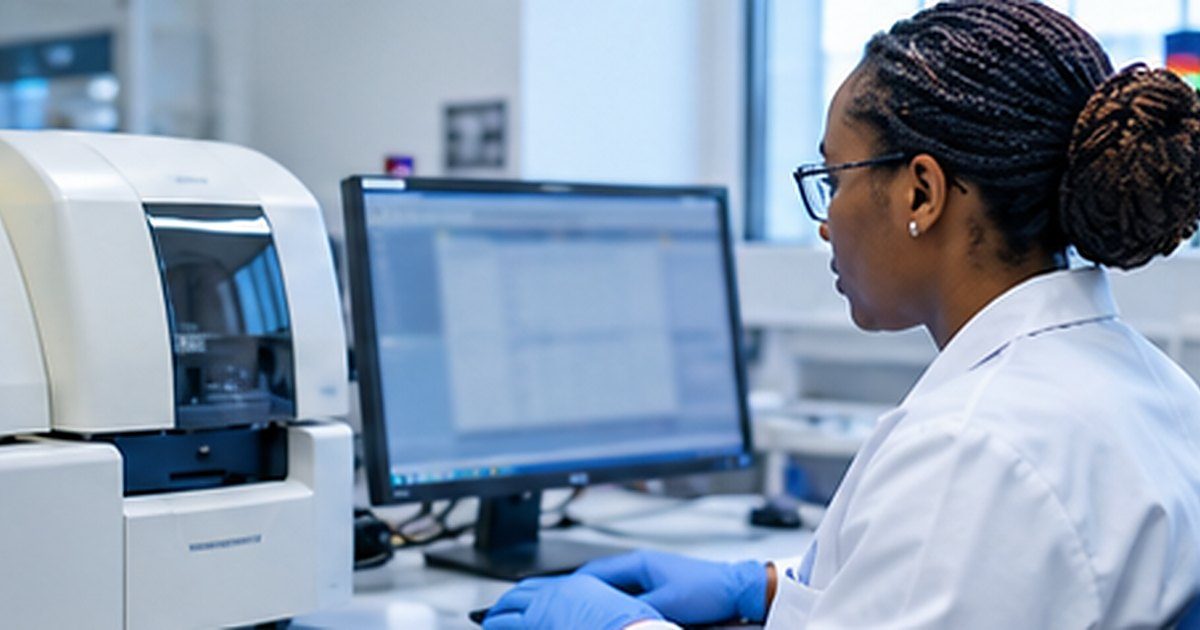
A diagnostic laboratory typically holds data from its information system, middleware, instruments, quality control and external quality assessment, and operational records such as turnaround times and workload. Beyond running the service, this data can support service improvement, capacity planning, audit and research. It is also the raw material for AI and machine learning tools, which is why its quality matters more than ever.
What makes data usable
- Quality and completeness. Accurate, consistently recorded data, with known sources of error.
- Standard coding and metadata. Agreed terminologies such as SNOMED CT for clinical concepts and LOINC for laboratory tests make results comparable between systems, alongside units, methods and reference intervals.
- Governance. Clear rules on who may use data, for what, under what approvals, and with what de-identification.
- Interoperability. Systems that can exchange data without manual re-entry.
- Skills. People who can combine laboratory knowledge with data analysis and who understand the limits of what the data can show.
Common pitfalls
- Building dashboards on data nobody has checked.
- Training predictive models on a single site’s data and assuming they will work elsewhere.
- Collecting data without a question to answer.
- Treating privacy and governance as an afterthought.
Conclusion
Data is better thought of as a raw material than a finished asset. Its value comes from the care taken in collecting, coding, protecting and interpreting it, and from asking a clear question of it. For laboratories, the practical lesson is to invest in data quality and governance first, because every later analysis, dashboard or AI tool depends on them.
Sources
Data Protection Act 2018 and the UK General Data Protection Regulation.
SNOMED International. SNOMED CT; Regenstrief Institute. LOINC.