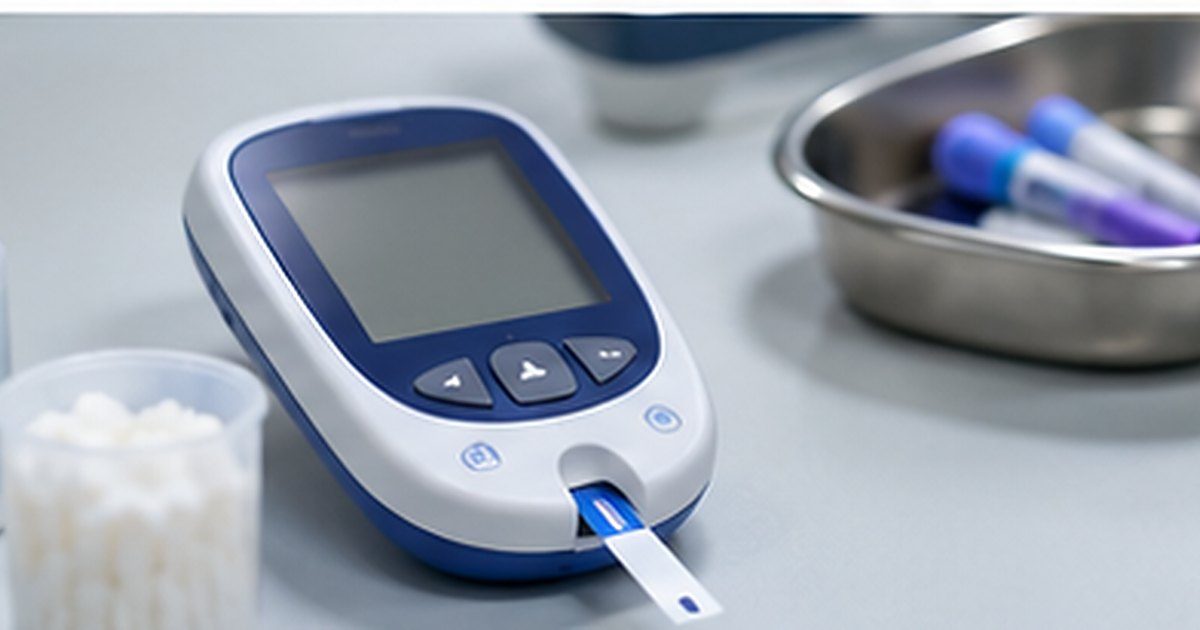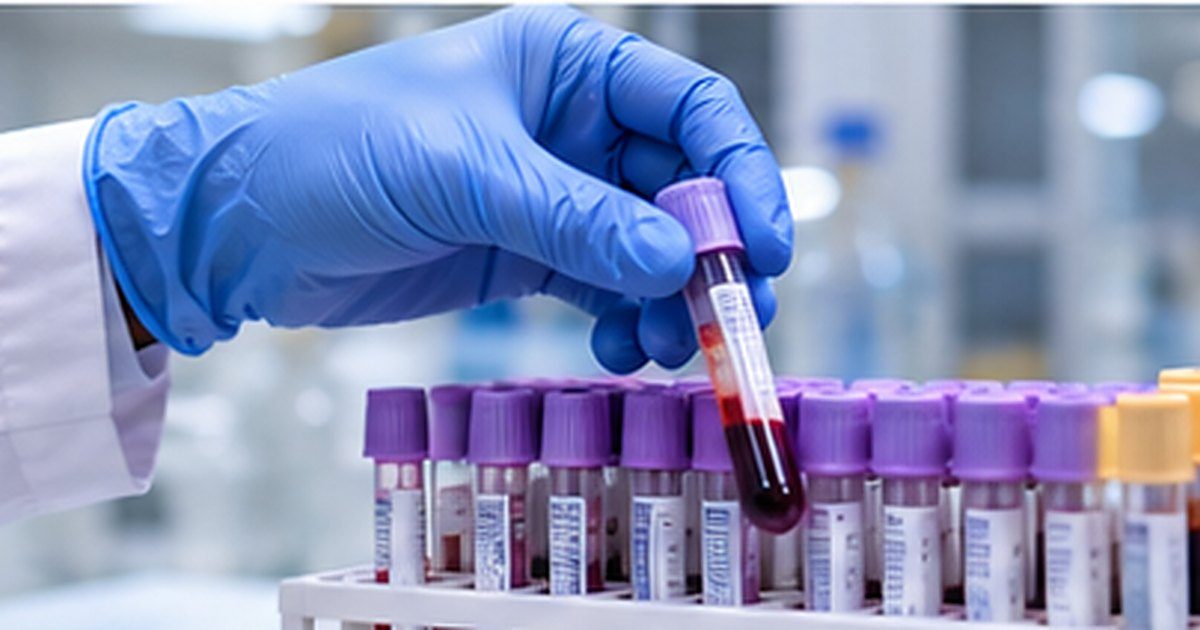
A laboratory can operate a high-performing analyser, maintain acceptable internal quality control and still produce an unreliable result if the specimen was collected, labelled, stored or transported incorrectly. That is why improving analytical performance alone is not enough to improve the quality of diagnostic testing.
The preanalytical phase begins before the specimen reaches the analyser. It includes selecting the appropriate test, identifying the patient, preparing and collecting the sample, labelling the container, transporting it and deciding whether it is suitable for examination.
These steps often involve teams outside the laboratory. Effective improvement therefore requires collaboration, not simply another laboratory SOP.
At a glance: Preanalytical errors occur before specimen analysis, often during patient identification, collection, labelling, handling, transport or reception. Laboratories reduce them through clear acceptance criteria, training, measurable quality indicators and feedback to clinical users. Improvements should address recurring system causes rather than simply blaming individual staff.
Understand what can go wrong
Preanalytical problems take many forms. A sample may be collected into the wrong tube, contaminated by an infusion, transported after excessive delay, exposed to unsuitable temperatures or labelled with incomplete identifiers. Haemolysis can affect the interpretation of particular analytes. Insufficient volume can prevent required testing. A blood culture can be contaminated during collection, complicating the interpretation of possible bloodstream infection.
The clinical effect depends on the test and the context. Some problems lead to clear rejection. Others produce a number that looks plausible but is misleading. That second group can be particularly difficult to detect using routine instrument quality controls.
The wider literature on the total testing process recognises risks from test selection to clinical interpretation. A laboratory's improvement programme should therefore follow the specimen journey rather than assuming every error originates at the bench.
Define acceptance and rejection criteria clearly
Every service needs evidence-based instructions about the specimen types it accepts, required identifiers, collection containers, minimum volumes, handling times and transport conditions. These should be accessible to the people collecting samples, not buried in a laboratory manual few clinical users open.
There will also be situations where rejecting a sample introduces its own risks, such as when recollection is difficult or time-critical care is involved. Decisions about processing compromised samples should follow documented policies, professional judgement and clinical communication, including any limitations recorded with the result. A blanket rule is rarely a substitute for risk assessment.
Consistency matters. If one shift rejects a sample and another routinely processes the same type of defect, staff and requesters receive conflicting messages. Clear escalation routes help teams manage exceptions safely.
Measure the right quality indicators
Counting rejected samples is a useful start, but a single overall rejection rate can hide the nature of the problem. A better dashboard separates causes and locations: misidentification, haemolysis, insufficient volume, wrong container, leakage, transport delay and other locally relevant defects.
Definitions must remain stable. For example, is haemolysis counted using an instrument index, a visual observation or a rejection decision? Do all clinical areas record the same events? Can you distinguish specimens that never reached the laboratory from those rejected after receipt?
Where practical, examine indicators by collection area, time period and sample type. Avoid using small numbers to make punitive comparisons between staff or wards. The purpose is to identify processes that need redesign, not to assign blame to whoever happened to collect the last unsuitable specimen.
Investigate the system behind recurring defects
If haemolysis rises in one area, asking everyone to “take more care” is unlikely to be enough. Investigate the collection method, devices, training, sample transfer, transport mechanism and workload conditions. If labels are repeatedly missing, examine whether printers are accessible and whether the electronic ordering workflow supports reliable identification at the bedside.
Some interventions will be straightforward, such as improving collection instructions or reducing unnecessary handling. Others may involve changes to electronic identification, training programmes, collection equipment or transport arrangements.
Before and after comparisons should consider changes in workload and case mix. An intervention that reduces rejection rates but increases identification risk would not represent a successful improvement.
Close the loop with clinical users
Feedback should be timely, specific and actionable. A ward needs to understand not only that a sample was rejected but why, whether recollection is necessary and how the same problem can be prevented. Laboratory teams, phlebotomy services and clinical users should agree responsibility for changes.
The Health and Care Professions Council's standards for biomedical scientists recognise the importance of specimen identification, records, quality management and the consequences of non-analytical errors. These are core professional concerns, not administrative extras.
Preanalytical quality is a shared pathway, not a department. Laboratories that make it visible, measurable and jointly owned put themselves in a better position to protect the reliability of diagnostic information.
Where Optymum SS fits: Optymum SS can support specimen-pathway reviews, quality-indicator design, process mapping, SOP improvement and training needs assessments, working alongside the responsible laboratory and clinical teams.
Related on this site: Testing & Diagnostics, Education, Training & Professional Development.
Key takeaways
- Preanalytical quality begins before samples reach the analyser.
- Use agreed rejection criteria consistently and communicate them clearly.
- Measure error patterns and close the loop with collection teams.
Frequently asked questions
What are common preanalytical errors?
Examples include incorrect patient identifiers, unsuitable collection tubes, insufficient sample volume, haemolysis, delays in transport and specimens stored outside validated conditions.
How can laboratories reduce sample rejection?
Review rejection patterns by reason and collection area, improve instructions and training, and work with clinical teams to correct process failures.
What indicators can track preanalytical quality?
Useful measures include misidentification incidents, haemolysis rates, specimen rejection reasons, recollection requests and transport delays, interpreted with appropriate denominators.